
Introduction
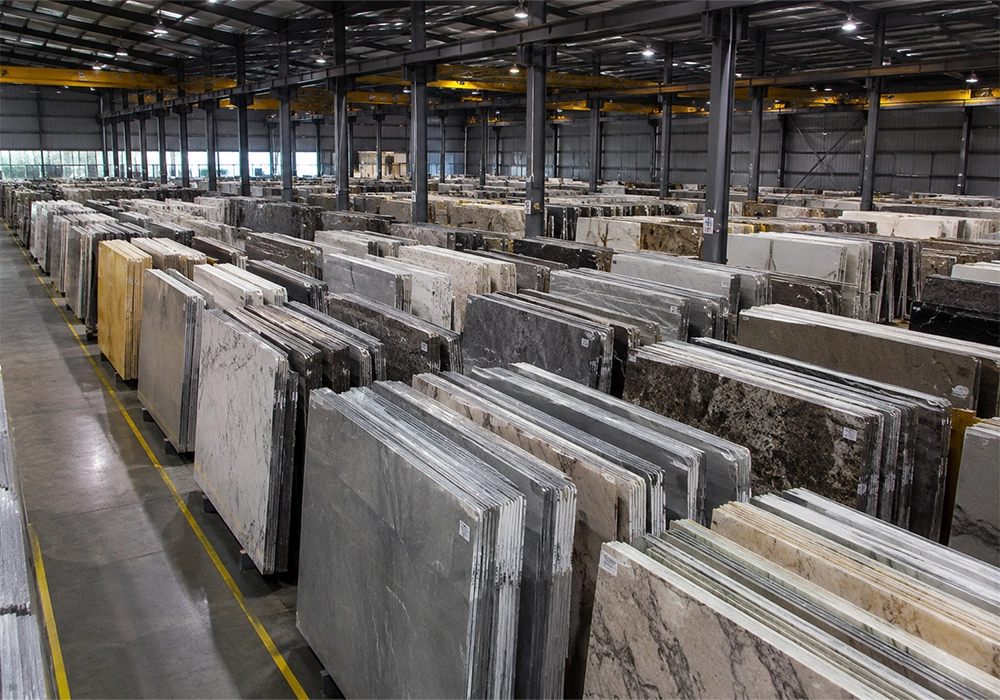
When selecting materials for a construction or architectural project, one of the most important decisions is choosing the right natural stone. A proper Natural Stone Comparison helps project owners evaluate durability, appearance, maintenance requirements, and overall value before making an investment.
Among the most popular options available today, travertine, marble, and granite continue to dominate residential, commercial, hospitality, and infrastructure projects worldwide.
This guide provides a detailed comparison to help architects, developers, contractors, and stone buyers make informed decisions.
What Makes Natural Stone a Preferred Building Material?
Natural stone remains one of the most valuable construction materials because it offers:
- Long-term durability
- Unique natural beauty
- Increased property value
- Sustainability
- Architectural prestige
- Design flexibility
Each stone type provides distinct advantages depending on the project’s goals.
Travertine Overview
Travertine is a natural limestone widely used in exterior architecture and facade systems.
Key Advantages
- Excellent facade performance
- Natural thermal insulation
- Elegant appearance
- Cost-effective for large projects
- Multiple finish options
Best Applications
- Building facades
- Residential towers
- Luxury villas
- Commercial developments
Travertine is often chosen when architects seek a balance between beauty, durability, and cost efficiency.
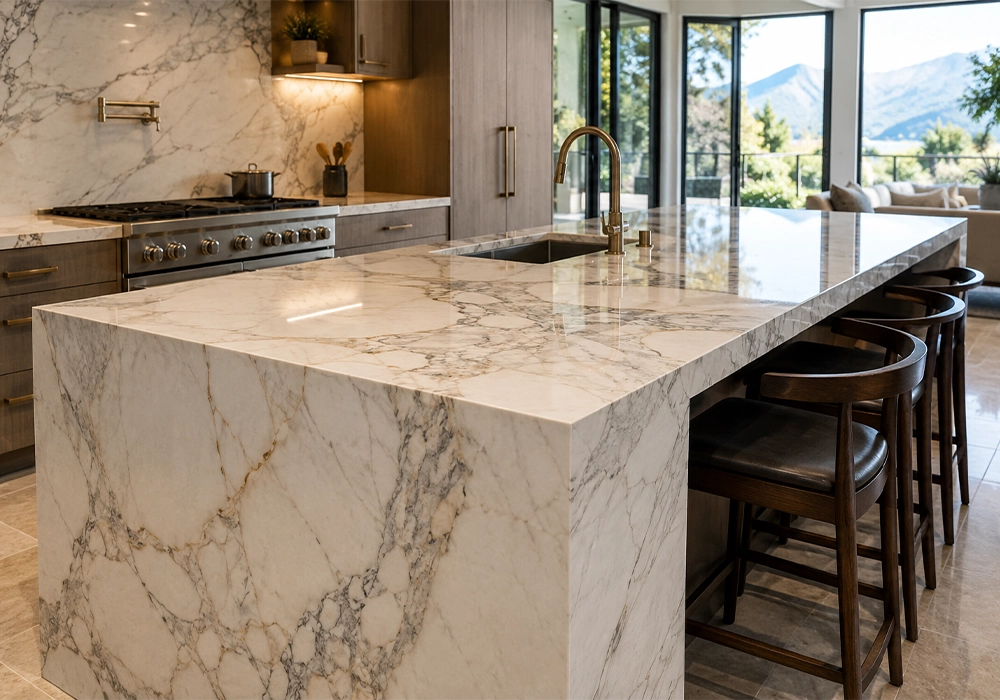
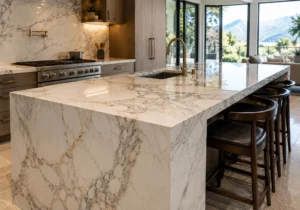
Marble Overview
Marble is known worldwide for luxury and prestige.
Key Advantages
- Unique natural veining
- Premium appearance
- High architectural value
- Timeless elegance
Best Applications
- Luxury hotels
- High-end residences
- Hotel lobbies
- Commercial interiors
Marble remains one of the most desirable natural stones for projects where aesthetics play a major role.
Granite Overview
Granite is recognized as one of the strongest natural stones available.
Key Advantages
- Exceptional durability
- Scratch resistance
- Weather resistance
- Low maintenance
Best Applications
- Airports
- Railway stations
- Industrial facilities
- Commercial flooring
- Public infrastructure
Granite is ideal for projects that demand maximum performance and longevity.
Durability Comparison
| Stone | Durability |
|---|---|
| Granite | Excellent |
| Travertine | High |
| Marble | Medium-High |
Granite ranks highest in durability and resistance to wear, making it ideal for high-traffic environments.
Luxury Appearance Comparison
| Stone | Luxury Appeal |
|---|---|
| Marble | Excellent |
| Crystal Stone | Excellent |
| Travertine | High |
| Granite | High |
For luxury developments and hospitality projects, marble often delivers the most prestigious appearance.
Maintenance Comparison
| Stone | Maintenance Level |
|---|---|
| Granite | Low |
| Travertine | Medium |
| Marble | Medium-High |
Granite typically requires the least maintenance due to its dense structure.
Cost Comparison
Generally:
- Travertine → Most cost-effective
- Granite → Mid-range investment
- Marble → Premium investment
Actual pricing depends on quality grade, dimensions, finish, and market conditions.
Which Stone Is Best for Hotels?
For hospitality projects:
Recommended Choice
Marble
Alternative Options
- Crystal Stone
- Premium Travertine
These materials create an elegant and memorable guest experience.
Which Stone Is Best for Commercial Buildings?
Commercial projects often prioritize durability and lifecycle value.
Recommended Choices
- Granite
- Travertine
- Limestone
These materials provide strong performance and long-term reliability.
Which Stone Is Best for Building Facades?
Travertine remains one of the most widely used facade materials because of:
- Weather resistance
- Thermal performance
- Architectural appeal
- Cost efficiency
Final Verdict
The results of any Natural Stone Comparison ultimately depend on project goals.
Choose:
- Travertine for facades and exterior architecture.
- Marble for luxury interiors and hospitality projects.
- Granite for infrastructure and high-traffic environments.
Each material offers unique advantages, making it important to align stone selection with the project’s functional and aesthetic requirements.
FAQ
What is the purpose of a Natural Stone Comparison?
A Natural Stone Comparison helps architects, contractors, and buyers evaluate different stone materials based on durability, appearance, maintenance, and project suitability.
Which natural stone is the most durable?
Granite is generally considered the most durable natural stone due to its exceptional hardness and wear resistance.
Is marble better than travertine?
Neither is universally better. Marble is preferred for luxury interiors, while travertine is often selected for facades and exterior applications.
Which stone requires the least maintenance?
Granite typically requires less maintenance than marble and travertine.
What is the best natural stone for hotels?
Marble and Crystal Stone are commonly used in luxury hotels because of their elegant appearance and premium architectural value.
Which natural stone is best for commercial projects?
Granite and travertine are among the most popular choices for commercial developments due to their durability and cost-effectiveness.